
Cardiovascular Health Through Proper Nutrition
Discover how balanced nutrition and smart lifestyle choices can transform your heart health and overall wellbeing. Learn the science-backed strategies used by leading health professionals.
Key Health Impact Areas
Heart Function
Proper nutrients strengthen cardiovascular performance and endurance capacity.
Blood Circulation
Balanced minerals and vitamins enhance blood flow and oxygen delivery.
Arterial Health
Natural compounds maintain vessel elasticity and healthy cholesterol levels.
Energy & Stamina
Sustained nutrition supports daily vitality and physical resilience.
Understanding Heart Health Fundamentals
Your cardiovascular system is the foundation of overall health. It delivers oxygen and nutrients to every cell in your body, influences your energy levels, mental clarity, and longevity. When you prioritise cardiac wellness through nutrition, you're investing in quality of life across all dimensions.
The heart responds positively to consistent dietary choices rich in antioxidants, minerals, and healthy fats. Research shows that sustainable nutritional practices create lasting improvements in blood pressure, cholesterol profiles, and cardiovascular endurance—all without extreme restrictions or complicated regimens.
Nutrient-Dense Whole Foods
Vegetables, fruits, legumes and whole grains provide fibre and vital minerals.
Healthy Fat Sources
Omega-3 rich fish, nuts and seeds support arterial function and flexibility.
Hydration & Electrolytes
Proper fluid intake and mineral balance regulate heart rhythm and pressure.

Top Nutritional Foods for Heart Health

Fatty Fish
Salmon, mackerel and sardines contain omega-3 fatty acids that reduce inflammation, support healthy triglycerides, and strengthen vessel walls. Aim for 2-3 portions weekly for optimal cardiac benefits.

Leafy Greens
Spinach, kale and lettuce are packed with potassium, magnesium and antioxidants that regulate blood pressure and protect arterial tissue. Their high fibre content aids cholesterol management naturally.

Berries
Blueberries, strawberries and raspberries contain anthocyanins and polyphenols that reduce oxidative stress and inflammation. These compounds enhance endothelial function and blood flow quality.

Nuts & Seeds
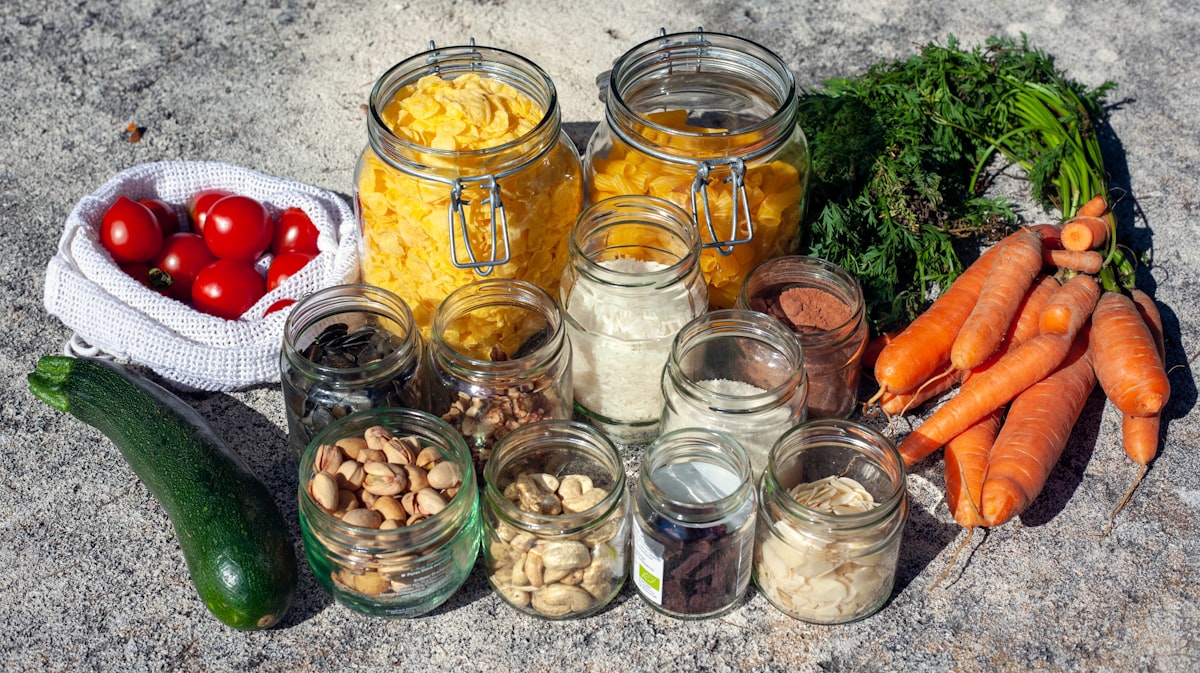
Almonds, walnuts and flaxseeds provide monounsaturated fats and plant-based proteins that support healthy cholesterol profiles. Their magnesium content helps regulate cardiovascular rhythm.
Whole Grains
Oats, brown rice and quinoa contain soluble fibre that binds cholesterol and supports healthy glucose levels. Their B-vitamins enhance energy metabolism and vascular function.

Legumes
Lentils, beans and chickpeas offer plant-based protein, fibre, and polyphenols. They help stabilise blood sugar, reduce inflammation, and support healthy lipid metabolism for long-term cardiac wellness.
Five-Step Journey to Better Cardiovascular Wellness
Assess Your Current Habits
Begin by honestly evaluating your daily diet, activity level and stress patterns. Understanding where you are now creates the foundation for meaningful change. Keep a simple food diary for one week to identify patterns in your nutrition choices.
Introduce Heart-Healthy Foods Gradually
Don't overhaul everything at once. Start by adding one new food category each week—perhaps fatty fish on Monday, leafy greens on Wednesday, and berries for snacks. This gradual approach builds sustainable habits without overwhelm.
Build a Consistent Movement Routine
Physical activity complements nutrition beautifully for cardiac health. Start with 20-30 minutes of brisk walking most days, then gradually add variety—swimming, cycling or strength training. Movement improves circulation and strengthens the heart muscle itself.
Prioritise Sleep and Stress Management
Quality sleep and stress reduction are non-negotiable for cardiovascular wellness. Aim for 7-9 hours nightly and incorporate relaxation practices—meditation, breathing exercises, or time in nature. These factors directly influence blood pressure and heart rhythm stability.
Track Progress and Adjust Mindfully
Monitor how you feel—energy levels, recovery after activity, mental clarity—rather than obsessing over metrics. Revisit your habits monthly and fine-tune based on what's working. Sustainable wellness is a personal journey that evolves with your needs.
Real Stories from Heart Health Transformation
"After switching to a whole-foods approach with plenty of fish and leafy greens, my energy levels transformed within weeks. I feel stronger on my daily runs and my confidence has skyrocketed. Individual results may vary. The best part is it doesn't feel restrictive—it feels like genuine self-care."
Michael Thompson
Manchester, England
"I was sceptical about making dietary changes at first, but combining better nutrition with regular walking has made a real difference. My sleep improved, my focus improved at work, and I just feel healthier overall. It's a lifestyle shift, not a diet."
David Chen
London, England
"The step-by-step approach meant I wasn't overwhelmed. Adding one food group at a time felt manageable, and I actually discovered I enjoy cooking more. My partner has joined in too, and now we're both experiencing the benefits of this healthier lifestyle."
Robert Williams
Bristol, England
Common Questions About Cardiac Nutrition
Most people notice improved energy within 2-3 weeks of consistent dietary changes combined with regular movement. Sleep quality often improves first, followed by better concentration and sustained stamina throughout the day. Individual timelines vary based on starting point and lifestyle factors.
Start Your Heart Health Journey Today
Comprehensive, evidence-based nutrition information and lifestyle strategies are available to you. Explore our latest articles on cardiac wellness, discover practical tips, and join thousands of readers building healthier, more energetic lives through balanced nutrition.
Subscribe to Our Health Insights
Join readers receiving expert advice on nutrition and cardiovascular wellness. We respect your privacy.